pavel kettlebell
Now loading...
Pavel Kettlebell: A Comprehensive Guide
What is a Pavel Kettlebell?
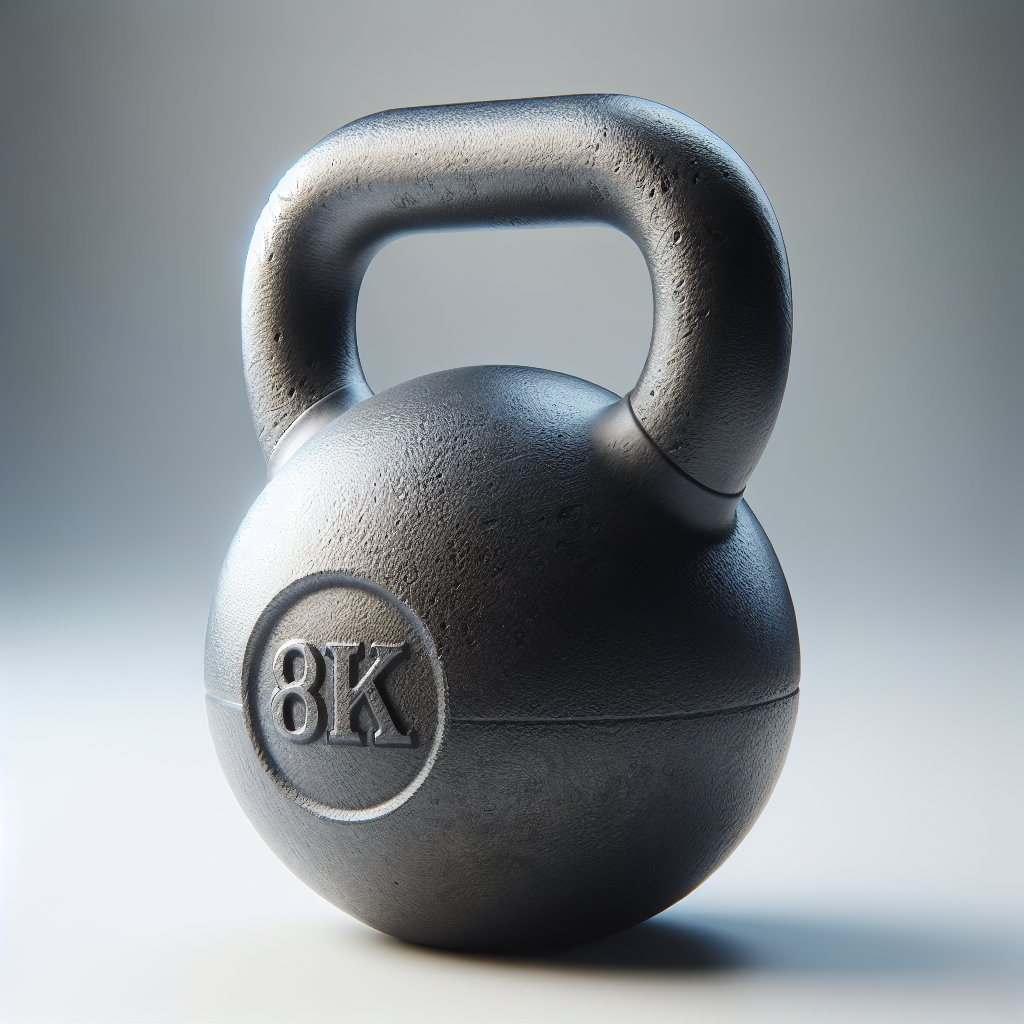
The Pavel kettlebell refers to a style of kettlebell training popularized by Pavel Tsatsouline, a Russian strength coach and the founder of StrongFirst. Known for its emphasis on technique, strength, and conditioning, Pavel’s approach to kettlebell training is unique and focuses heavily on efficient movement patterns. The kettlebell itself is a cast-iron or competition-style weight with a handle, designed for a wide range of exercises that improve strength, flexibility, and endurance.
Now loading...
The Legacy of Pavel Tsatsouline
Pavel Tsatsouline is a key figure in the fitness world, particularly in the realm of strength training and kettlebell practices. He introduced kettlebells to the Western world in the late 1990s through his books and training programs. Tsatsouline’s style draws heavily from Russian sports science, prioritizing strength, agility, and functional movement over traditional bodybuilding techniques. His philosophies emphasize mastering fundamental movements, a method that has influenced countless coaches and athletes.
Benefits of Using Pavel Kettlebells
-
Functional Strength: Pavel kettlebell training builds functional strength that translates into everyday activities and sports. the swinging and pressing movements mimic real-life scenarios.
-
Efficiency: Kettlebell workouts can combine strength training and cardiovascular efforts in a single session. This dual benefit allows for shorter, more intense workouts that maximize calorie burning.
-
Core Stability: Many kettlebell exercises engage the core muscles significantly. This strengthening of the core enhances stability, improving overall functional movement.
-
Mobility and Flexibility: Pavel’s kettlebell training promotes dynamic movements that improve mobility and flexibility, which are crucial for preventing injuries.
-
Mental Strength: The discipline required for kettlebell training enhances mental toughness and focus, making it a holistic approach to fitness.
Key Exercises with Pavel Kettlebells
-
Kettlebell Swing: A foundational exercise. Stand with feet hip-width apart, grabbing the kettlebell with both hands. Drive your hips back and then forward to swing the kettlebell between your legs and up to chest height. This movement builds power in the hips and glutes while enhancing cardiovascular endurance.
-
Turkish Get-Up: This is a complex, multi-stage movement that requires both strength and stability. Starting lying on your back, hold the kettlebell overhead with one arm. Then, rise to a standing position while keeping the kettlebell stable, before returning to the starting position. This exercise calls for complete body coordination.
-
Goblet Squat: Holding a kettlebell at chest level with both hands, squat down while keeping your chest up and back straight. The goblet squat builds lower body strength and enhances squat mechanics.
-
Kettlebell Press: Standing or kneeling, press the kettlebell overhead using one arm. This exercise targets the shoulders, triceps, and core stability.
-
Kettlebell Snatch: A powerful, explosive movement where the kettlebell is lifted from a swing into an overhead position in one fluid motion. This requires coordination, strength, and cardiovascular endurance.
Programming for Kettlebell Workouts
Pavel advocates for a structured approach to kettlebell training, focusing on progressive overload and mastering techniques. Both beginners and advanced practitioners can benefit from structured programming:
-
Beginner Level: Start with foundational exercises like swings, goblet squats, and Turkish get-ups. Aim for 2-3 sessions per week, incorporating fundamental strength movements and increasing gradually over time.
-
Intermediate Level: After mastering basics, incorporate more complex movements like snatches and cleans alongside resistance work. Target 3-4 sessions per week with varied routines.
-
Advanced Level: At this stage, individuals can manipulate work-to-rest ratios, add complex combinations, and even integrate conditioning work. High-intensity interval training (HIIT) with kettlebells can also be beneficial.
Safety and Precautions
Kettlebell training, while effective, requires attention to safety:
-
Focus on Technique: Prioritize form over weight. Poor technique can lead to injuries.
-
Warm-Up and Cool Down: Always engage in dynamic stretching before your kettlebell session and cool down with static stretching afterward.
-
Use Appropriate Weight: Choose a weight that is challenging but allows for proper technique across all repetitions.
-
Listen to Your Body: If you experience pain or discomfort, stop the exercise, reassess your form, and consider consulting a fitness professional if necessary.
Pavel’s Philosophy on Strength
At the core of Pavel Tsatsouline’s teachings is the belief that strength is a skill. Through repetition, refinement, and practice, individuals can enhance their physical capabilities. His infamous saying, “Strength is a skill,” emphasizes the need for conscious movement and deliberate training.
Conclusion
While the above serves as a foundational exploration of Pavel kettlebell training, it is essential to delve deeper into specific methodologies and philosophies to fully appreciate its effectiveness. Pavel Tsatsouline’s approach not only transforms physical abilities but also fosters a profound understanding of the mechanics behind strength training. As such, utilizing Pavel kettlebells can lead to life-changing outcomes in both fitness and performance.
Every individual can discover their physical potential through dedication, proper training strategies, and a balanced mindset, making kettlebell training an invaluable addition to any fitness regimen. With resources available for guidance, mastering the Pavel kettlebell methodology is achievable for anyone willing to invest time and effort into their physical development.