nordic strength kettlebell
Now loading...
What is a Nordic Strength Kettlebell?
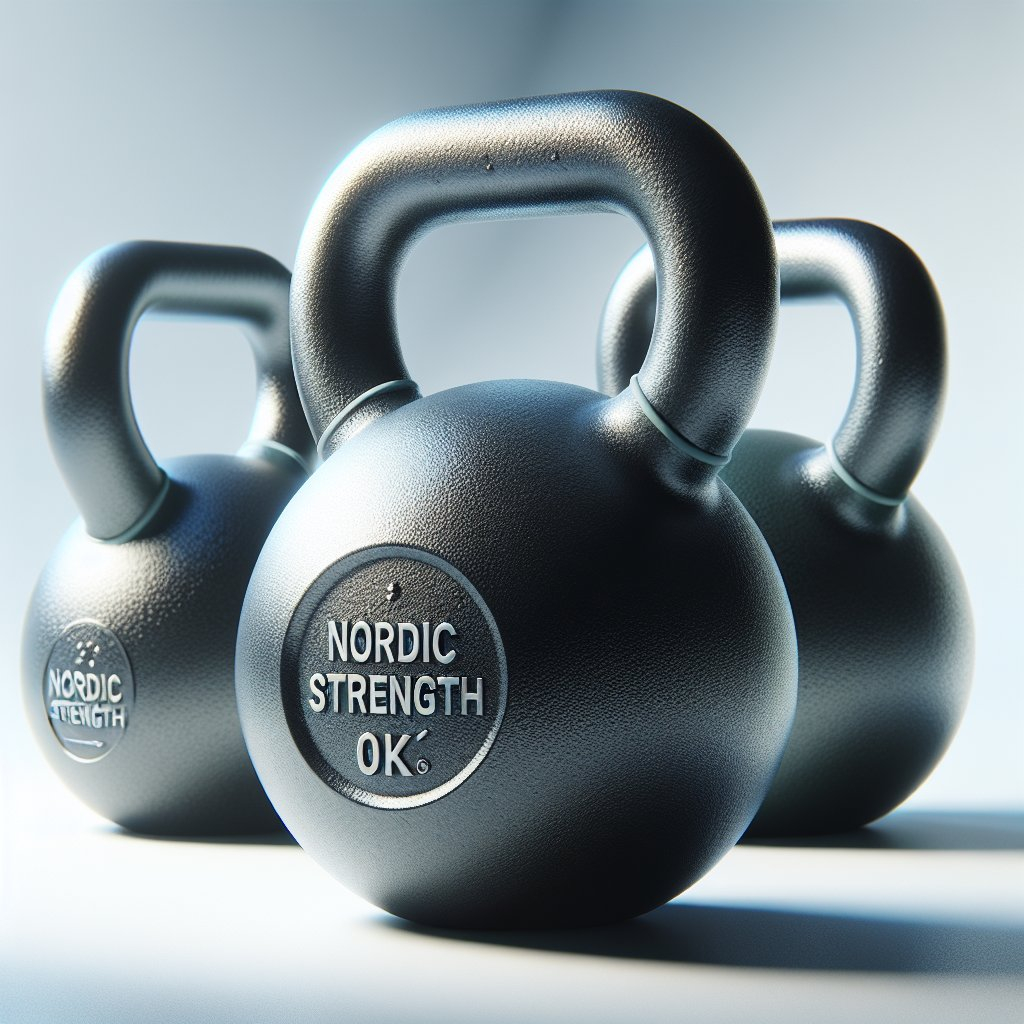
Nordic strength kettlebells are specialized weights designed to enhance strength training, improve functional fitness, and develop endurance. These kettlebells often feature a unique design that emphasizes ergonomic handling and superior balance. Available in various weights and sizes, Nordic strength kettlebells cater to both beginners and advanced athletes alike.
Now loading...
History of Kettlebells
Kettlebells have a storied history that traces back to Eastern Europe, particularly Russia, where they were originally used by farmers as weights for handling goods. The term “kettlebell” comes from the Russian word “girya.” Over the years, kettlebells evolved from being simple tool weights to essential components in strength training, gaining global popularity in the fitness community. The modern fitness enthusiast often uses kettlebells for a variety of workouts, including cardiovascular conditioning and strength training.
Benefits of Nordic Strength Kettlebells
-
Full-Body Workout: One of the primary advantages of using kettlebells like the Nordic strength kettlebell is the ability to engage multiple muscle groups simultaneously. This promotes functional strength and muscle coordination.
-
Core Stability: Kettlebell exercises require core engagement, contributing to better balance and stability. The design of Nordic strength kettlebells allows for various dynamic movements that further engage the core.
-
Cardiovascular Conditioning: Incorporating kettlebell training into your routine can elevate your heart rate and improve cardiovascular endurance. Workouts can be structured to include high-intensity intervals, providing an efficient way to boost fitness levels.
-
Improved Flexibility: Many kettlebell exercises also incorporate movements that enhance flexibility and mobility. The dynamic nature of kettlebell training encourages a range of motion that can aid in muscle health.
-
Enhanced Grip Strength: The handle design of Nordic strength kettlebells promotes better grip strength, which is beneficial in various sports and daily activities.
Design and Features
Material Quality
Nordic strength kettlebells are crafted from high-quality cast iron, ensuring durability and longevity. Some models may also feature rubber-coated bottoms to prevent damage to flooring and reduce noise during workouts.
Ergonomic Handle
The ergonomic grip of Nordic kettlebells is designed for comfort, providing a secure hold during various exercises. The handle’s diameter is optimized for hand size, allowing for proper grip without causing strain.
Color Coding
Most Nordic strength kettlebells come with color-coded weights, making it easier to select the appropriate kettlebell for different exercises or personal fitness levels. This feature helps users quickly identify weights during high-intensity training sessions.
Clear Weight Markings
Each kettlebell typically features clearly marked weight increments, allowing for straightforward adjustments as strength increases, promoting progressive overload in training routines.
Essential Kettlebell Exercises
Kettlebell Swing
The kettlebell swing is a fundamental movement that targets the hips, glutes, and core. To perform:
- Stand with feet shoulder-width apart, holding the kettlebell with both hands.
- Hinge at the hips while bending slightly at the knees to swing the kettlebell back between your legs.
- Drive through the hips, swinging the kettlebell forward to shoulder height.
- Allow the weight to swing back between your legs and repeat.
Goblet Squat
This exercise effectively strengthens the legs while engaging the core:
- Hold the kettlebell close to your chest with both hands, elbows pointing down.
- Stand with feet shoulder-width apart.
- Lower into a squat, keeping your chest up and weight in your heels.
- Return to standing and repeat.
Turkish Get-Up
A more complex movement that builds strength and stability:
- Lie on your back, holding a kettlebell in one hand, extending it toward the ceiling.
- Stand up while keeping the kettlebell above your head, transitioning through various positions (rolling, propping up, and standing).
- Reverse the motion to return to the starting position.
Kettlebell Deadlift
The deadlift focuses on posterior chain strength:
- Stand with your feet hip-width apart and the kettlebell on the ground between your feet.
- Hinge at the hips, maintaining a flat back, and grab the kettlebell with both hands.
- Stand up by driving through your heels and pushing your hips forward.
- Lower the kettlebell back to the ground with control.
Kettlebell Snatch
An explosive move that develops power and coordination:
- Start with the kettlebell on the ground between your feet.
- Swing the kettlebell between your legs as you dip slightly.
- Propel it upward using your hips while bringing your arm overhead in a smooth motion.
- Descend the kettlebell back down with control and repeat.
Safety Tips for Kettlebell Training
-
Use Proper Form: Always prioritize form over weight. Incorrect execution can lead to injury. Start with lighter weights to master the movements.
-
Warm-Up: Engage in a proper warm-up before starting kettlebell training to prevent injury and improve performance.
-
Listen to Your Body: If you feel pain beyond normal muscle fatigue, stop the exercise and assess if any modifications are needed.
-
Increase Weight Gradually: As a beginner, it’s crucial to gradually increase weights. A sudden jump in weight can lead to undue strain or injury.
-
Consider Professional Guidance: If new to kettlebell training, consider enlisting the help of a personal trainer for initial sessions. They can correct form and help develop a tailored workout program.
Incorporating Nordic Strength Kettlebells into Your Routine
To effectively incorporate Nordic strength kettlebells into your fitness regime, consider the following structured workouts:
-
Full-Body Circuit: Combine all foundational kettlebell exercises in a circuit format, performing each for 30 seconds with 15 seconds of rest in between.
-
Strength-Focused Routine: Concentrate on heavier kettlebell exercises, such as deadlifts and goblet squats, performing 3-4 sets of 8-12 repetitions for strength training.
-
HIIT Workouts: Integrate kettlebell swings, snatches, and clean and press in a high-intensity training program, alternating between explosive kettlebell movements and bodyweight exercises.
-
Mobility and Flexibility: Use kettlebells in yoga and mobility flows to enhance flexibility, integrating movements such as the Turkish get-up for stability.
-
Recovery Sessions: Employ lighter kettlebells for recovery movements, focusing on slow, controlled repetitions to enhance recovery after intense workouts.
Popularity and Community
Kettlebell workouts have surged in popularity, with community classes and online platforms offering a variety of kettlebell training programs. Nordic strength kettlebells have attracted attention within the fitness community due to their robust design and versatility. Online communities often share tips, workout ideas, and challenges centered around kettlebell training, fostering a supportive environment for both novice and experienced users.
Conclusion
Nordic strength kettlebells stand out in strength training for their effectiveness and unique design. With comprehensive benefits ranging from improved strength to enhanced flexibility, these kettlebells have secured their place in modern fitness regimens. By utilizing these tools correctly and incorporating varied exercises, individuals can unlock the potential for improved functional fitness and overall health. Whether for personal training, group classes, or at-home workouts, Nordic strength kettlebells are a versatile addition to any fitness journey.