kettlebell sport
Now loading...
What is Kettlebell Sport?
Kettlebell Sport, also known as Girevoy Sport, is a discipline that involves performing three key lifts with a kettlebell: the Snatch, the Clean and Jerk, and the Long Cycle. Athletes aim to complete as many repetitions as possible within a specified time limit, typically 10 minutes. Originating in Russia, this competitive sport has gained international popularity, promoting strength, endurance, and technical skill.
Now loading...
History of Kettlebell Sport
Kettlebell training dates back to the 18th century in Russia, where they were originally used as weights for measuring grain. The sport evolved over time, with formal competitions emerging in the early 20th century. By the 1940s, kettlebell lifting became a recognized sport, with the establishment of regulated events. The Girevoy Sport Federation was founded in the late 1980s, further formalizing the sport and establishing international competitions.
The Competitive Lifts
1. Snatch
The snatch is a dynamic movement where the athlete lifts the kettlebell from the ground to an overhead position in one fluid motion. The key points to perfecting the snatch include:
- Starting Position: Stand with feet shoulder-width apart, and the kettlebell placed between the feet.
- Lift-Off: Hinge at the hips, maintaining a flat back while gripping the handle.
- Movement: Swing the kettlebell back between the legs, then thrust the hips forward to propel the kettlebell overhead.
- Lockout: Finish with the arm fully extended, and the kettlebell resting above the shoulder.
Achieving a high rep count in the snatch requires precise technique, explosive hip movement, and optimal breathing strategies.
2. Clean and Jerk
The Clean and Jerk combines two lifts into one event: getting the kettlebell to a ‘rack’ position and then pressing it overhead.
- Clean Technique: Start similar to the snatch. Swing the kettlebell between your legs, then as it rises, rotate your wrist to catch it in the racked position against the chest.
- Jerk Technique: The athlete must dip slightly before explosively extending the legs to drive the kettlebell overhead. Timing and coordination between the legs and arms are crucial.
Athletes often find the clean to be a more technical lift, requiring concentration and fluid movement to prevent wasting energy.
3. Long Cycle
The Long Cycle consists of alternating between the clean and jerk continuously.
- Execution: Start with a clean, then immediately transition into a jerking motion. The continuous nature of the long cycle tests stamina and technique, as the athlete must maintain form throughout the set duration.
Competitors focus on efficient breathing and minimal transition times to maximize performance.
Equipment Used in Kettlebell Sport
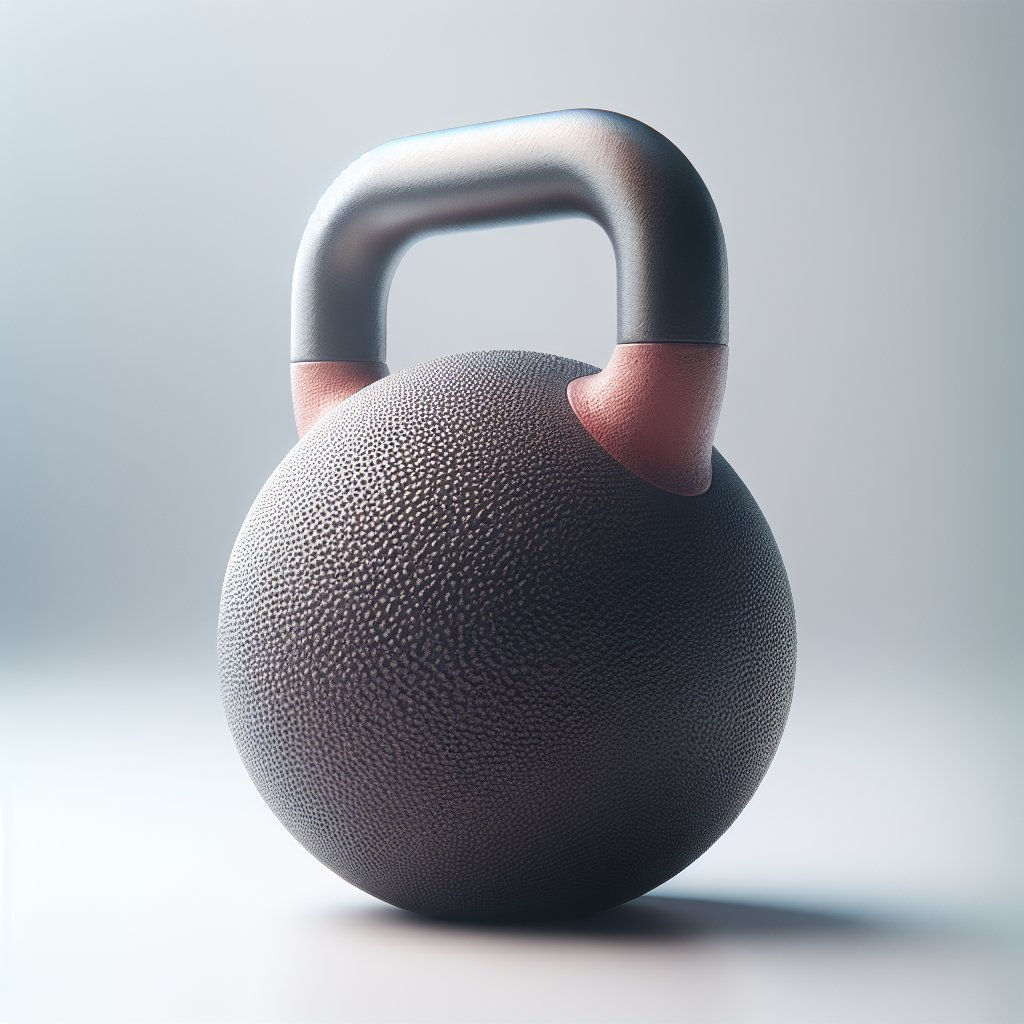
Kettlebells: Kettlebell sport requires competition-specific kettlebells, which differ from regular kettlebells in design. These typically have a larger handle and a more uniform shape that allows for easier grip and handling during repeated movements.
Proper Clothing: Athletes usually wear fitted clothing that allows for freedom of movement. The footwear is often flat, providing a stable base.
Training for Kettlebell Sport
Endurance and Strength: Training requires a balanced approach, focusing on both endurance and strength. Circuit training, high-repetition lifts, and interval training can improve cardiovascular endurance. Strength training should focus on compound movements and specific kettlebell lifts.
Technique Drills: Breaking down each lift into specific drills can help improve technique. Practicing the snatch or clean with lighter weights can reinforce proper biomechanics.
Recovery: Adequate rest and recovery are critical in preventing injury and ensuring muscle recovery. This includes active recovery, foam rolling, and stretching routines to maintain flexibility.
Benefits of Kettlebell Sport
Full-Body Workout: Kettlebell Sport engages multiple muscle groups, enhancing overall strength and endurance. It incorporates legs, core, and upper body in a single movement, leading to a functional fitness benefit.
Mental Resilience: Competing in kettlebell sport not only challenges physical limits but also cultivates mental toughness. Athletes learn focus, discipline, and strategy, making it a holistic sport.
Community and Competitiveness: Engaging in kettlebell competitions fosters a sense of community. Participants often form strong bonds through shared training experiences, promoting motivation and camaraderie.
Accessibility: Kettlebell sport can be practiced in various settings—from competitive environments to home gyms—making it accessible for athletes of all levels.
Kettlebell Sport Competitions
Kettlebell sport competitions are held internationally. Events are categorized by weight classes and gender categories, allowing for a wide range of competitors.
Format: Competitions often feature timed events, with athletes given a personal platform where they perform for points or repetitions. Judges score based on criteria including control, technique, and the number of successfully completed repetitions.
Major Competitions: Some prominent competitions include the World Kettlebell Championships, European Championships, and national luncheons. Participating in these events can help athletes gauge their skills against others and increase visibility within the community.
Safety Considerations
Proper Warm-Up: Engaging in a proper warm-up is crucial to prepare muscles and joints for the intense lifts, reducing the risk of injury.
Equipment Check: Regularly inspect kettlebells and other equipment to ensure they are in safe working condition, particularly the handle integrity and surface wear.
Listen to Your Body: Monitoring fatigue levels and avoiding overtraining is essential. Athletes should be close to understanding their limits to prevent injuries.
Nutrition for Kettlebell Athletes
Balanced Diet: Consuming a well-rounded diet rich in carbohydrates, proteins, and healthy fats will fuel workouts and support recovery. Foods such as lean meats, whole grains, fruits, and vegetables should be staples.
Hydration: Proper hydration is critical. Ensuring adequate fluid intake before, during, and after training helps maintain energy levels and supports performance.
Supplements: Some athletes may consider using dietary supplements to support overall health and performance. It’s important to choose quality products and consult a nutritionist or doctor before adding supplements to your routine.
Community and Resources
Joining kettlebell sport clubs or organizations allows athletes to connect with others. Online communities provide platforms for sharing tips, videos, and training experiences. Books, online courses, and certifications are available for those interested in deepening their understanding and skills in kettlebell training.
Kettlebell sport is more than a fitness regimen; it’s a dynamic and evolving discipline that engages the body and mind. Whether a recreational athlete or a competitive lifter, the pursuit of excellence in kettlebell sport offers a challenging and rewarding journey. Each rep counts, and every lift represents a step toward personal growth and achievement.