kettlebell shop
Now loading...
Understanding Kettlebells
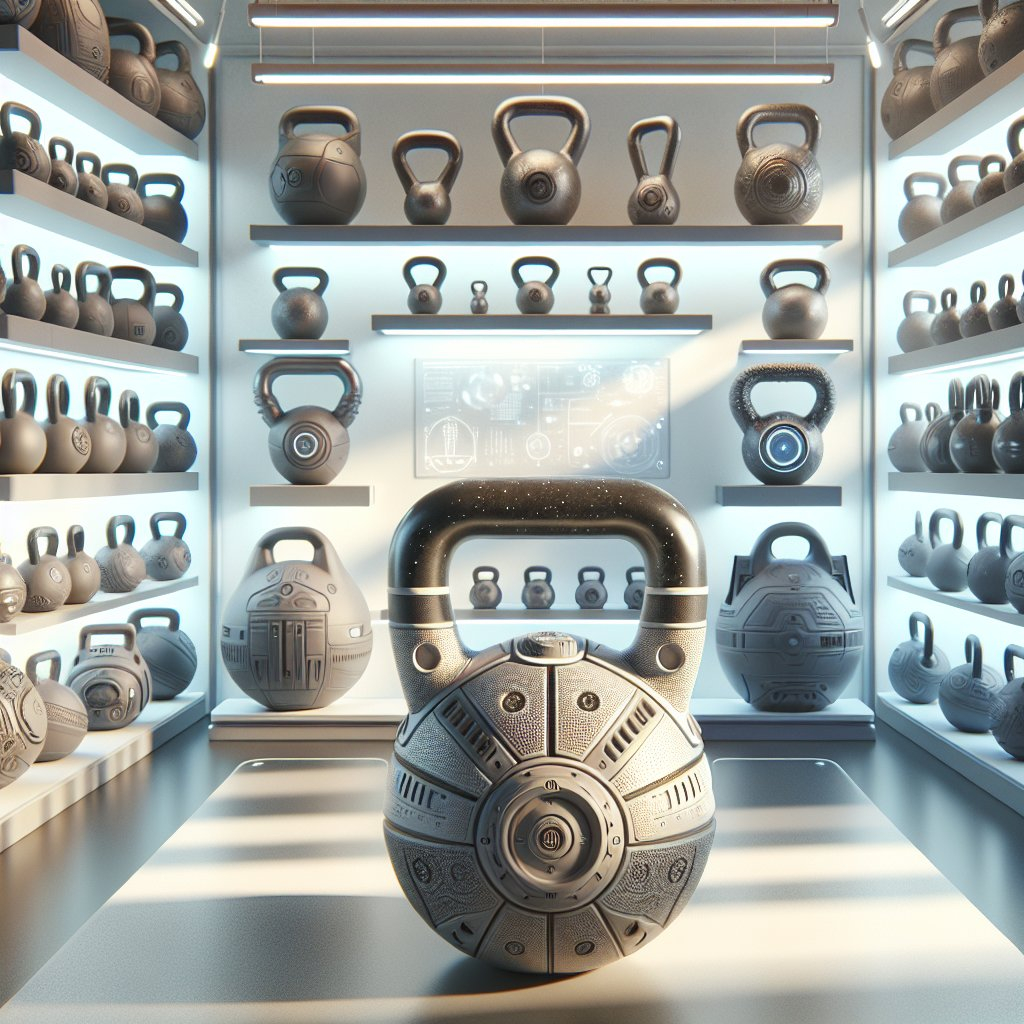
Kettlebells are versatile fitness tools used for strength training, functional training, and improving overall health. They come in various weights and designs, catering to different fitness levels. Typically, a kettlebell resembles a cannonball with a flat base and a handle on top, enabling effective lifting, swinging, and maneuvering.
Now loading...
Types of Kettlebells
-
Cast Iron Kettlebells: Traditionally the most recognized type, cast iron kettlebells are durable and commonly used in gyms. They typically come in various sizes and can withstand heavy use.
-
Competition Kettlebells: These kettlebells have a uniform size and are used in competitions. They are made from steel and designed to be balanced, making them perfect for specific kettlebell training disciplines.
-
Adjustable Kettlebells: These innovative tools allow users to adjust the weight, providing versatility in workouts. They are ideal for those who want to save space or vary their strength training routine without purchasing multiple kettlebells.
-
Rubber-Coated Kettlebells: Ideal for home use, rubber-coated options help protect flooring and reduce noise. They are aesthetically pleasing with a vibrant finish but are slightly heavier than standard cast iron designs.
Benefits of Kettlebell Training
-
Functional Strength Gains: Kettlebells’ unique shape promotes exercises that enhance functional strength. Movements replicate everyday activities, making training practical and applicable.
-
Cardiovascular Improvement: Kettlebell workouts can elevate heart rates, offering both strength and cardiovascular benefits in a single session.
-
Enhanced Flexibility: Various kettlebell movements require dynamic movement patterns fostering flexibility and mobility.
-
Core Stability: Many kettlebell exercises demand strong core engagement, which strengthens abdominal and back muscles, pivotal for overall stability.
-
Time Efficiency: Kettlebell workouts can effectively target multiple muscle groups, allowing for comprehensive training in shorter periods.
How to Choose the Right Kettlebell
-
Weight Selection: Beginners should start with lighter weights (8-12 kg) while more experienced individuals can often handle heavier options (16 kg and up). It’s crucial to assess your current fitness level and intended use.
-
Shape and Design: Ensure the handle fits comfortably in your hand and allows for a secure grip during various movements. A good handle is usually wider to accommodate different grip styles.
-
Material: Decide on the type of kettlebell that best suits your needs. Cast iron is durable, while rubber-coated options are more suited for home use.
Essential Kettlebell Exercises for Beginners
-
Kettlebell Swings: A foundational movement focusing on hip drive, this exercise enhances glute and hamstring strength while boosting cardiovascular endurance.
-
Goblet Squats: Holding the kettlebell close to your chest encourages proper squat mechanics while engaging the core and legs.
-
Kettlebell Rows: Effective for strengthening the back, rows also improve shoulder stability. Perform alternating rows in a hinged position for maximum benefit.
-
Turkish Get-Up: This complex movement helps improve mobility, coordination, and full-body strength, emphasizing the importance of core stability.
-
Kettlebell Deadlifts: A straightforward exercise that targets the posterior chain, promoting strength and correct lifting mechanics.
Effective Kettlebell Workout Routines
-
Full-Body Circuit: Combine swings, squats, rows, and presses for a high-intensity full-body circuit targeting multiple muscle groups while boosting heart rate.
-
Strength Focus: Pair heavier kettlebell lifts, such as deadlifts and presses, with fewer repetitions to develop maximal strength. This routine should focus on high weights and low reps.
-
HIIT with Kettlebells: Incorporate kettlebell exercises into a high-intensity interval training (HIIT) format for a cardiovascular workout that still promotes strength.
Kettlebell Accessories
-
Kettlebell Grips: Enhance your grip on the kettlebell for better control and comfort during workouts. They are particularly useful for heavier weights or longer workout sessions.
-
Kettlebell Mats: Protect your flooring and the kettlebell itself by investing in mats specifically designed for kettlebell training.
-
Weighted Vests: For those looking to intensify workouts, a weighted vest can add resistance while maintaining good form without compromising safety.
-
Training Guides and Programs: Access to instructional materials, either digital or print, ensures correct form and technique, preventing injuries and maximizing workout efficiency.
Where to Buy Kettlebells
-
Local Fitness Equipment Stores: Visiting a local store allows you to physically inspect the kettlebells and their handles, ensuring comfort and quality fit.
-
Online Kettlebell Shops: Numerous online platforms specialize in fitness equipment. Look for retailers offering detailed product descriptions, user reviews, and clear return policies. Popular global websites include Amazon, Rogue Fitness, and Bodybuilding.com.
-
Secondhand Market: Check platforms like Facebook Marketplace or Craigslist for used kettlebells. This route is economical but comes with risks regarding condition and quality.
Evaluating Kettlebell Quality
Look for seamless welds, sturdy craftsmanship, and a comfortable handle texture. High-quality kettlebells will have a consistent finish without rough edges, ensuring they’re safe and comfortable to use during workouts.
Safety Tips for Kettlebell Training
-
Warm-Up: Always start with a comprehensive warm-up to prepare muscles and joints for kettlebell workouts. Dynamic stretching and mobility drills are key.
-
Maintain Proper Form: Prioritize form over lifting heavier weights to prevent injuries. Ensure your spine remains neutral during lifts and swings.
-
Progress Gradually: Increase weights and complexity as your strength and competence improve, allowing your body to adapt without strain.
-
Hydration and Recovery: Stay hydrated during workouts, and allow adequate recovery time between sessions to promote muscle repair and prevent overtraining.
Community and Resources
Joining local or online kettlebell communities fosters motivation and learning opportunities. Engage with fitness forums, attend workshops, or participate in group classes. Utilizing resources such as YouTube channels, podcasts, and blogs dedicated to kettlebell training can also enhance knowledge and inspire new techniques.
Trends in Kettlebell Training
Kettlebell training is growing in popularity, leading to innovative programs and styles. Incorporating elements of yoga, pilates, and other fitness disciplines, trainers are blending these techniques with kettlebell movements to create holistic training experiences. Additionally, technology has made its mark with kettlebell apps, offering workout tracking and virtual coaching.
Final Thoughts
The kettlebell is a powerful tool for anyone looking to enhance their fitness. With the right equipment, techniques, and community support, you can efficiently achieve your fitness goals. Whether you’re a beginner or an experienced athlete, kettlebell training provides endless opportunities for growth and improvement, making it an excellent addition to any workout regimen.