enter the kettlebell
Now loading...
What is Kettlebell Training?
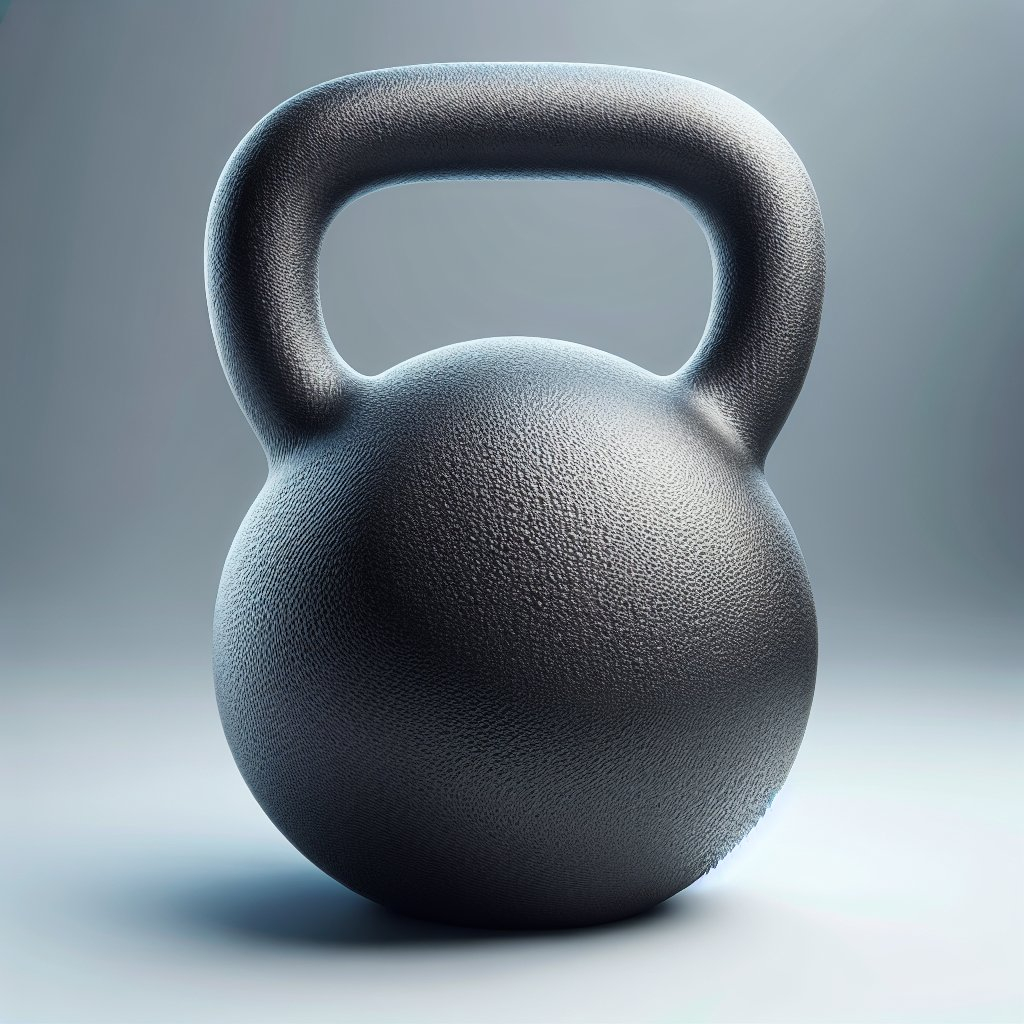
Kettlebell training uses a cast-iron or cast-steel weight designed like a cannonball with a handle for gripping. Kettlebells have their origins in Russia, where they were used for strength training, military preparation, and physical conditioning. Unlike traditional weights, kettlebells offer a unique shape that encourages dynamic movements, facilitating a full-body workout. They are available in various weights, making them suitable for beginners and seasoned athletes alike.
Now loading...
Benefits of Kettlebell Training
1. Full-Body Workout
Kettlebell exercises engage multiple muscle groups simultaneously. A single kettlebell swing can target the legs, core, back, and shoulders. By incorporating compound movements, kettlebell training allows for efficient workouts that save time.
2. Functional Strength
Kettlebell training promotes functional strength, which translates to improved performance in daily activities. Movements mimic real-life tasks, enhancing stability, balance, and coordination. This makes kettlebell workouts especially beneficial for athletes and individuals looking to improve their physical capabilities.
3. Enhanced Cardiovascular Endurance
Kettlebell workouts are often performed at high intensity, elevating the heart rate and providing cardiovascular benefits. High-Intensity Interval Training (HIIT) with kettlebells can boost endurance while simultaneously building strength, offering a powerful combination for overall health.
4. Core Stability
Many kettlebell exercises require engagement of the core muscles to maintain balance and stability. This ongoing activation helps in building a stronger core, which is crucial for overall body strength and injury prevention.
Key Kettlebell Exercises
1. Kettlebell Swing
The kettlebell swing is a foundational movement that engages the hips, glutes, core, and shoulders. To perform:
- Stand with feet shoulder-width apart, kettlebell on the ground between your feet.
- Hinge at the hips to grab the kettlebell with both hands.
- In a fluid motion, swing the kettlebell back between your legs and then explosively drive your hips forward.
- Swing the kettlebell to eye level, keeping your arms straight but not locked.
2. Goblet Squat
The goblet squat is effective for developing leg strength and improving squat form. To perform:
- Hold a kettlebell by the handles close to your chest with both hands.
- Stand with feet shoulder-width apart and lower into a squat, keeping your elbows inside your knees.
- Maintain a straight back and chest up as you return to the starting position.
3. Turkish Get-Up
This complex movement enhances strength, stability, and coordination. To perform:
- Lie on your back with a kettlebell in one hand, extending your arm towards the ceiling.
- Roll onto your side, using your other hand for support as you rise to a seated position.
- Push through your hand to a kneeling position, then rise to a standing position while keeping the kettlebell overhead.
- Reverse the steps to return to the starting position.
4. Kettlebell Deadlift
The kettlebell deadlift focuses on posterior chain development. To perform:
- Place a kettlebell between your feet, stand with feet hip-width apart.
- Hinge at the hips while keeping your back flat, bending your knees slightly to grab the kettlebell.
- Stand up while keeping the kettlebell close to your body, then lower it back down to the ground.
Safety and Techniques
Proper form is critical to prevent injuries during kettlebell training. Here are some essential safety tips:
- Warm-Up and Cool Down: Always start with a warm-up to prepare muscles and joints, and finish with stretching to aid recovery.
- Focus on Form: Prioritize learning correct technique over lifting heavier weights. This will ensure you maximize benefits and minimize injury risk.
- Use a Suitable Weight: Choose a kettlebell weight that allows you to perform exercises with good form. Start light and gradually increase weight as you build strength and confidence.
Kettlebell Training for Specific Goals
1. Weight Loss
For those aiming for weight loss, kettlebell training can be combined with cardio routines or HIIT sessions. The combination of strength building and calorie-burning potential makes kettlebells an effective tool for fat loss. Aim for shorter, more intense workouts, incorporating exercises like kettlebell swings and high-rep goblet squats.
2. Muscle Building
For muscle building, focus on heavier kettlebells with fewer reps. Incorporate compound movements such as the Turkish get-up and kettlebell deadlifts into your routine. Training with lower repetitions helps in developing muscle size and strength.
3. Athletic Performance
Athletes can benefit from kettlebell training by enhancing their core power and functional strength. Incorporate kettlebell movements into sport-specific workouts to improve agility, balance, and overall performance.
Kettlebell Training Programs
Beginner Program
- Frequency: 2-3 times a week
- Exercises: Kettlebell Swings, Goblet Squats, Kettlebell Deadlifts
- Reps & Sets: 3 sets of 10-15 reps with moderate weight
Intermediate Program
- Frequency: 3-4 times a week
- Exercises: Kettlebell Swing, Turkish Get-Up, Snatch, Front Squat
- Reps & Sets: 4 sets of 8-12 reps with heavier weight
Advanced Program
- Frequency: 4-5 times a week
- Exercises: Complex combinations including swings, snatches, cleans, and overhead presses
- Reps & Sets: 5 sets of 5-10 reps focusing on power and speed
Incorporating Kettlebell Training into Your Lifestyle
To make kettlebell training effective, consistency is key. Schedule regular sessions and progressively challenge yourself to enhance strength and endurance. Mixing in kettlebells with other forms of exercise—such as yoga, running, or swimming—can create a balanced fitness routine.
Conclusion
Incorporating kettlebell workouts can yield multiple benefits, ranging from muscle strength to improved cardiovascular health. They offer versatility and adaptability for all fitness levels. By mastering fundamental techniques and progressively enhancing your routine, kettlebell training can become an engaging and transformative component of your fitness journey.