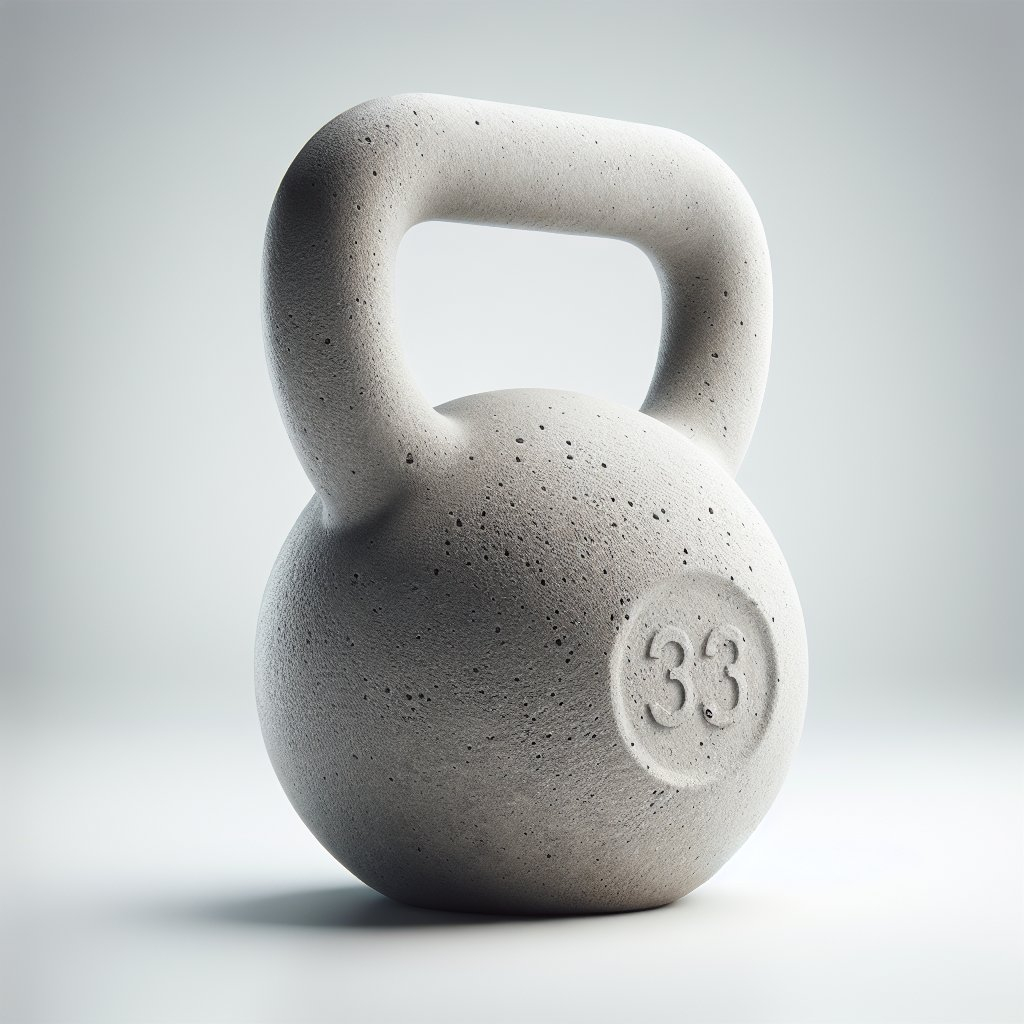
concrete kettlebell
Now loading...
Overview of Concrete Kettlebells
Concrete kettlebells are increasingly popular in the fitness community due to their affordability, versatility, and the ability to be customized in weight. Unlike traditional cast iron kettlebells, concrete kettlebells offer a unique workout experience, catering to individuals looking to enhance their strength training through innovative methods.
Now loading...
Composition and Structure
Concrete kettlebells are primarily composed of a gravel and cement mixture, wrapped in a strong outer layer for durability. The blend of aggregate materials and cement allows for a robust design that withstands vigorous workouts. Generally, these kettlebells are molded into a classic shape, featuring a handle for easy grip and a bell-like body that promotes effective lifting mechanics.
Customization Options
One of the most appealing aspects of concrete kettlebells is the opportunity for customization. Users can alter the weight by changing the composition of the concrete mix or by adding removable inserts within the kettlebells. This feature ensures that both beginners and advanced lifters can find the perfect weight to challenge themselves effectively.
Weight Variations
Concrete kettlebells come in a variety of weight options, usually ranging from 5 to 100 pounds. This extensive range makes it possible for users at any fitness level to find a suitable weight for their workout regimen. Importantly, as lifters progress, they can adjust their kettlebell’s weight gradually, allowing for continuous improvement and muscle growth.
Benefits of Concrete Kettlebells
1. Affordability
Compared to traditional metal kettlebells, concrete kettlebells are significantly more budget-friendly. The raw materials required to create concrete kettlebells are inexpensive and widely available, thus allowing manufacturers to sell them at lower prices. This budget-conscious approach makes hand-crafted concrete kettlebells accessible to a wider audience.
2. Durability
Concrete kettlebells are quite durable when properly maintained. While not as indestructible as cast iron, the right mixture and casting process can yield a kettlebell that withstands daily wear and tear. Users should be mindful to avoid dropping them on hard surfaces, which could lead to cracking or damage over time.
3. Versatile Training Options
Training with concrete kettlebells allows for a diverse range of exercises. They can be used for swings, squats, snatches, cleans, and Turkish get-ups, promoting overall body conditioning and strength. Their unique shape also encourages proper lifting grip, ensuring safety during workouts.
4. Enhanced Grip
The texture of concrete provides a naturally rough surface that can aid in grip during lifting. Improved grip reduces the risk of the kettlebell slipping, allowing for more controlled movements and helping to prevent injuries.
Safety Considerations
When using concrete kettlebells, ensuring safety during exercises is paramount. The following tips will enhance user safety:
- Inspect Regularly: Users should frequently check kettlebells for any signs of wear, cracks, or chips that can occur with regular use. Discard any damaged kettlebells to avoid accidents.
- Use Appropriate Footwear: Proper footwear that provides stability and grip helps prevent slips during workouts. Avoid slippery surfaces to minimize injury risk.
- Practice Proper Form: Learning the correct lifting techniques through tutorials, classes, or coaching ensures more effective workouts while reducing the potential for injury.
Maintenance Tips
Maintaining concrete kettlebells ensures their longevity and usability. Consider the following maintenance tips:
- Clean Regularly: To prevent moisture buildup and the risk of mold growth or corrosion, clean your kettlebells regularly using a damp cloth. Ensure they are completely dried afterward.
- Store Properly: Store kettlebells in a dry, cool environment. Avoid leaving them outside or in places where they may be exposed to excessive moisture or temperature fluctuations.
- Repair as Needed: If a kettlebell sustains some minor damage, such as small cracks, they can often be repaired with concrete repair kits available at hardware stores.
Comparing Concrete Kettlebells to Other Materials
When considering different materials for kettlebell training, it’s essential to evaluate the pros and cons of concrete compared to other materials such as cast iron, vinyl, or rubber.
Cast Iron vs. Concrete
- Durability: Cast iron kettlebells are generally more durable under high-impact use. They can endure being dropped without much concern for damage. In contrast, while concrete kettlebells are durable, they can chip or crack if mishandled.
- Weight Distribution: Cast iron kettlebells typically offer better weight distribution, making them preferable for lifters focused on competitive kettlebell sports. However, concrete kettlebells provide a unique experiential workout.
Vinyl and Rubber Kettlebells
- Grip and Comfort: Vinyl and rubber kettlebells offer a more comfortable grip and are less likely to cause damage to floors if dropped. However, they generally cost more than concrete kettlebells and may not provide the same feel during heavy lifts.
- Aesthetics: Vinyl kettlebells often come in eye-catching colors and designs, appealing to aesthetic preferences. Concrete kettlebells can be painted or decorated for personalization, though they may lack the finished look of mass-produced kettlebells.
Effective Workouts with Concrete Kettlebells
Achieving effective workouts using concrete kettlebells involves implementing a variety of routines to engage different muscle groups. Here are some recommended exercises:
Kettlebell Swings
Kettlebell swings provide an excellent full-body workout. Focus on using the hips to generate momentum while maintaining a strong core.
Goblet Squats
Holding the kettlebell at chest level, perform squats to engage the quadriceps and glutes. This movement promotes stability and strength.
Turkish Get-Ups
This complex exercise helps improve overall body coordination and core strength. Starting from a lying position, the aim is to stand up while keeping the kettlebell overhead.
Kettlebell Deadlifts
Kettlebell deadlifts target the hamstrings and lower back. Placing the kettlebell between the feet, maintain a flat back while lifting the weight up, activating multiple muscle groups.
Conclusion of Content
Concrete kettlebells offer a promising alternative to traditional kettlebell training, providing an effective and affordable option for strength training. Their robustness, customizability, and versatility make them a valuable addition to any fitness regimen.