Cast iron kettlebell
Now loading...
What is a Cast Iron Kettlebell?
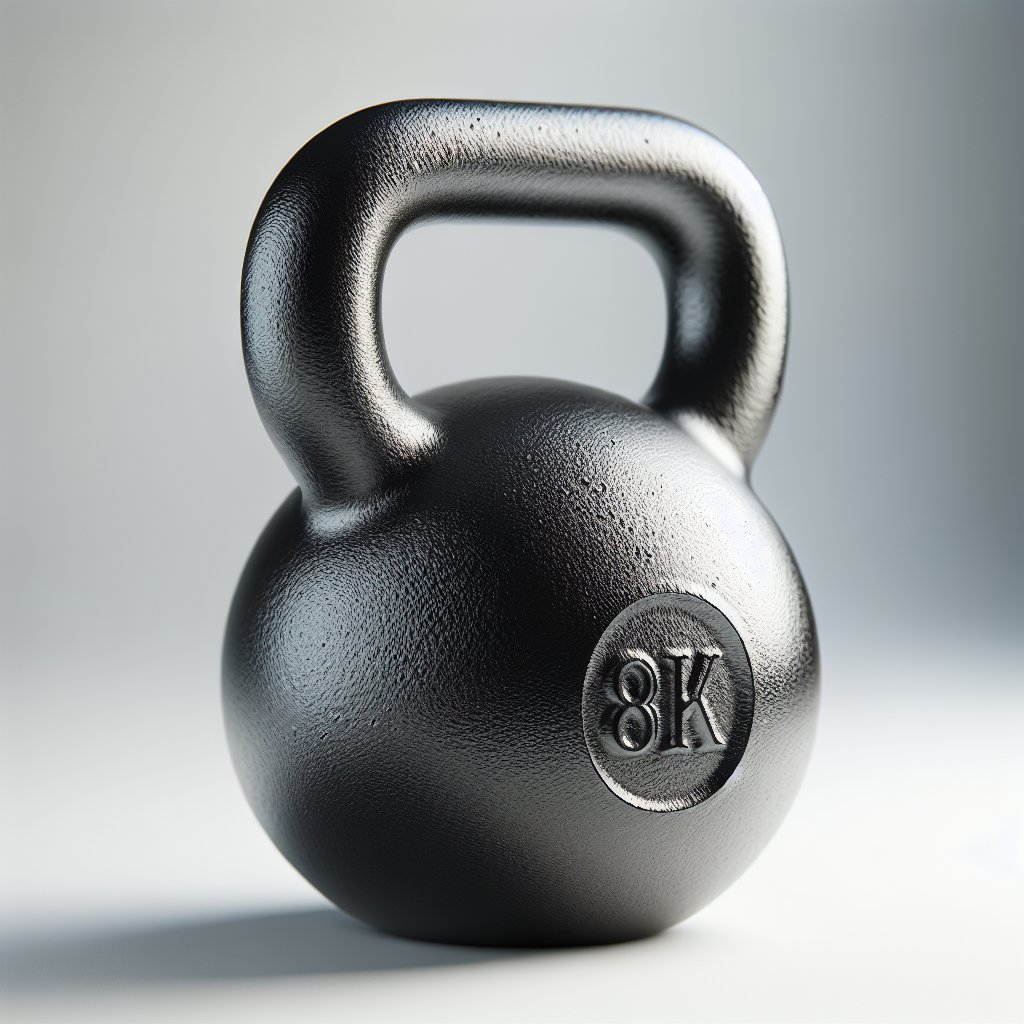
A cast iron kettlebell is a piece of fitness equipment designed to enhance strength, endurance, and overall physical condition. Made from solid cast iron, these kettlebells are characterized by their unique shape—similar to a cannonball with an attached handle—which allows for a wide range of dynamic movements and exercises. Unlike some other weights, kettlebells offer a functional training experience by engaging multiple muscle groups simultaneously, making them ideal for both strength training and cardio workouts.
Now loading...
Durability of Cast Iron Kettlebells
One of the primary advantages of cast iron kettlebells is their remarkable durability. Cast iron is known for its density and weight-bearing capabilities, which means that these kettlebells hold up exceptionally well over time, even with frequent use. Unlike rubber-coated or vinyl-coated kettlebells that may chip or peel, cast iron stands the test of time. Caring for cast iron involves simply wiping them down after use and occasionally applying a light oil coating to prevent rust.
Advantages of Cast Iron Kettlebells
1. Versatility
Cast iron kettlebells can be used for a variety of exercises targeting various muscle groups. From swings and snatches to Turkish get-ups and goblet squats, the versatility of kettlebells allows individuals to incorporate them into different workout routines. Their unique shape enables a multitude of functional movement patterns that engage both major and minor muscle groups.
2. Space-Efficient
Kettlebells require relatively little space compared to traditional weight machines or large gym setups. This makes them an ideal option for home gyms or small workout areas. A variety of weights can be stacked neatly in a corner, and having a few kettlebells of different weights can provide a full-body workout without taking up much room.
3. Improved Grip Strength
Training with kettlebells helps improve grip strength due to the thickness of the handle and the nature of the exercises performed. Enhanced grip strength is beneficial not only for lifting heavier weights but also for improving overall athletic performance in sports and daily activities.
4. Better Movement Patterns
Kettlebell exercises often involve dynamic movements that replicate real-life activities, promoting functional strength. This focus on movement patterns enhances balance, coordination, and stability, enabling users to perform everyday tasks with greater ease.
Choosing the Right Weight
Selecting the appropriate kettlebell weight is crucial for maximizing workout efficacy and minimizing injury risk. Beginners may start with a lighter kettlebell (typically between 8-12 kg or 18-26 lbs) to learn basic techniques before advancing to heavier weights as their strength and proficiency improve. For intermediate to advanced practitioners, starting weights can range from 12 kg (26 lbs) to 24 kg (53 lbs) or more, depending on individual fitness levels.
Proper Techniques and Form
Mastering the Basics
Before delving into advanced kettlebell exercises, mastering fundamental movements is essential. The following techniques ensure safety and effectiveness:
-
Kettlebell Swing: Stand with feet shoulder-width apart, gripping the kettlebell handle with both hands. Hinge at the hips and swing the kettlebell back between your legs before thrusting your hips forward to swing it up to shoulder height.
-
Goblet Squat: Hold the kettlebell by the horns close to your chest. Stand with your feet shoulder-width apart and squat down as low as comfortable while keeping your chest lifted and back straight.
-
Turkish Get-Up: This complex movement involves lying on your back holding the kettlebell over your chest, then transitioning to a standing position while maintaining control of the kettlebell above your head.
Safety Considerations
Proper form is paramount when using kettlebells to minimize injury risk. Engaging core muscles and maintaining a neutral spine during exercises is crucial for protecting the back. Beginners should consider working with a qualified trainer to ensure they are performing exercises correctly.
Progressing Your Kettlebell Workouts
Implementing Different Techniques
To avoid plateaus and maintain engagement in kettlebell workouts, incorporate various techniques and methodologies. High-intensity interval training (HIIT) can be particularly effective when using kettlebells. Alternate between intense kettlebell exercises and short periods of rest to boost cardiovascular fitness while building strength.
Advanced Kettlebell Routines
As fitness levels increase, individuals may explore advanced routines that include:
-
Kettlebell Complexes: These involve performing multiple exercises back-to-back with minimal rest. An example could be a sequence of swings, snatches, and cleans, providing both strength and cardio benefits.
-
Kettlebell Flow: This technique links multiple movements into a fluid series without resting in between. For instance, moving from a kettlebell swing into a clean and then to a press can create a challenging and dynamic routine.
Maintenance and Care for Cast Iron Kettlebells
Cleaning
To ensure longevity, it is advisable to clean cast iron kettlebells regularly. Simple maintenance includes wiping them down after each session to remove sweat and grime. Periodically, using a little mild soap and water followed by a thorough drying can keep them in pristine condition.
Storage
When storing kettlebells, avoid exposing them to extreme temperatures and moisture, which may lead to rusting. Keeping them in a dry area and using a stand can also help in preventing physical damage.
Kettlebell Workouts for Skill Development
Strength Training
Kettlebells are excellent for building muscle strength. For a strength-focused routine, alternate between single-arm and double-arm exercises, emphasizing compound movements that engage various muscle groups.
Cardiovascular Fitness
Incorporating high-tempo kettlebell workouts can boost heart health. Utilizing exercises like kettlebell swings, snatches, or cleans in quick succession can create an effective cardiovascular workout.
Flexibility and Mobility
Kettlebells can also assist in enhancing flexibility. Movements like the Turkish get-up improve not only strength but also overall body mobility, increasing range of motion in joints.
Injury Prevention in Kettlebell Training
Awareness of common injuries associated with kettlebell training, such as wrist strains or lower back discomfort, can help practitioners take preventive measures. Proper warm-up routines, focusing on mobility work, and ensuring sufficient rest and recovery are essential aspects of safely incorporating kettlebells into any workout regimen.
Conclusion: The Power of Cast Iron Kettlebells
Incorporating cast iron kettlebells into a fitness routine offers numerous advantages, from building strength to improving overall cardiovascular health. Their versatility, durability, and compact design make them ideal for individuals at any fitness level. With proper technique, dedication, and consistency, kettlebells can lead to significant improvements in physical fitness, making them a valuable addition to any workout arsenal. Engaging in kettlebell training can not only transform workout routines but can also enhance functional movement, contributing to a healthier and more active lifestyle.