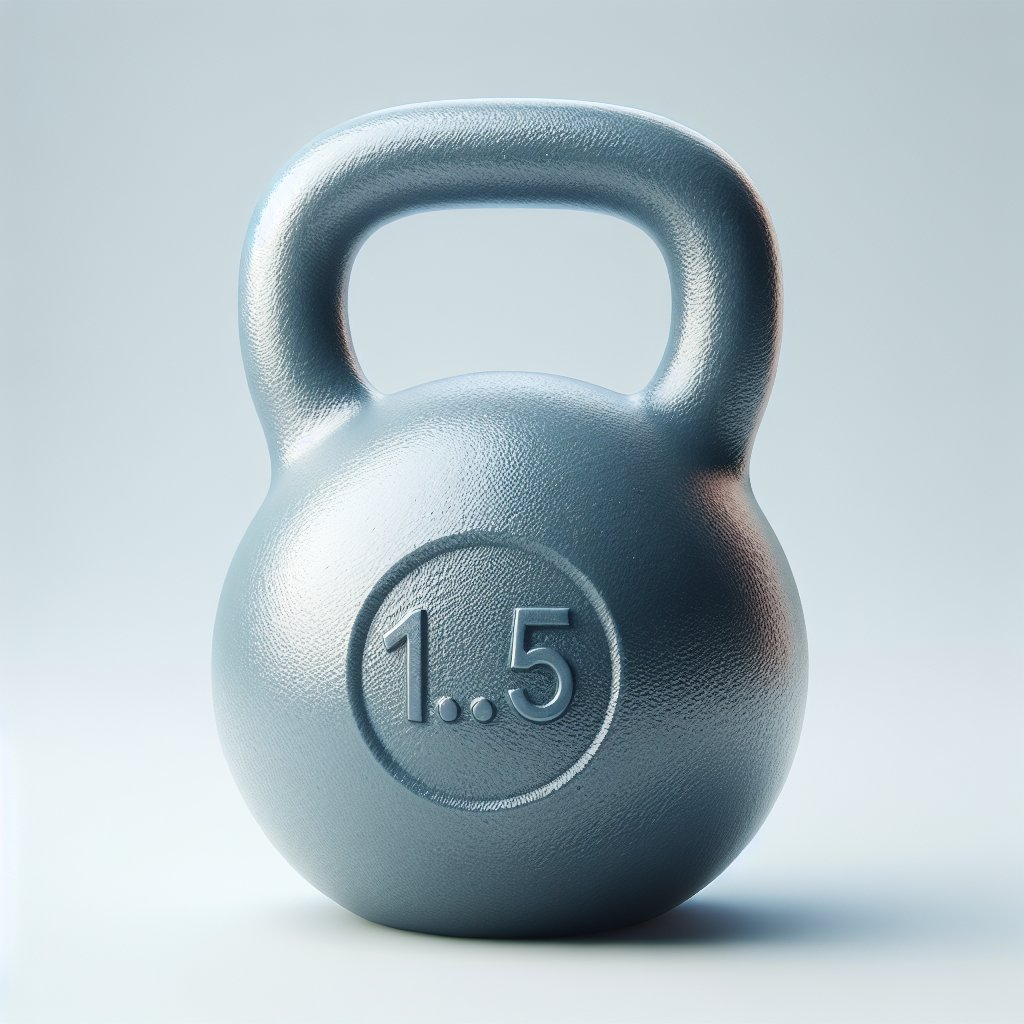
1.5 pood
Now loading...
Understanding 1.5 Pood: A Measure from the World of Strength Training
What is a Pood?
The term “pood” originates from the Russian word “пуд,” which historically referred to a weight of approximately 16.38 kilograms or 36.11 pounds. The pood was widely used in Russia and surrounding countries for weightlifting and has seen a resurgence in popularity with the rise of kettlebell training and CrossFit. Therefore, when referring to 1.5 pood, it translates to about 24.55 kilograms or 54.13 pounds.
Now loading...
Origin and Cultural Significance
Kettlebell training, which utilizes weights measured in poods, has its roots in Russian military and athletic training. The pood was used not only as a metric of weight but also as a benchmark for strength and conditioning. Understanding the significance of the pood enhances appreciation for the kettlebell’s historical context and the traditional training methods that shaped its contemporary use.
In Russian weightlifting culture, athletes have historically trained with kettlebells to develop power, endurance, and overall body strength. Traditional lifters would often test their mettle and showcase their prowess through various lifts using pood-based kettlebells.
Converting Poods to Other Measurements
Converting poods to other weight measurements can be beneficial for athletes and trainers integrating international standards into their workouts. Here’s a quick reference:
- 1 Pood = 16.38 kg = 36.11 lbs
- 1.5 Pood = 24.55 kg = 54.13 lbs
- 2 Pood = 32.72 kg = 72.27 lbs
- 2.5 Pood = 40.89 kg = 90.42 lbs
Utilizing these conversions can help individuals accurately gauge their weights when training with kettlebells, ensuring they effectively challenge themselves while maintaining safe practices.
Why Train with 1.5 Pood Kettlebells?
Training with 1.5 pood kettlebells offers several advantages for athletes and fitness enthusiasts:
Versatility
Kettlebells are known for their versatility. The 1.5 pood weight is ideal for a range of exercises, including swings, snatches, cleans, presses, and Turkish get-ups. This weight strikes a balance, allowing for strength development without overwhelming the lifter, making it ideal for both intermediate and advanced lifters.
Functional Strength Development
Kettlebell training promotes functional strength, which translates to improved performance in everyday activities and sports. Utilizing a 1.5 pood kettlebell can enhance your grip strength, core stability, and coordination.
Cardiovascular Conditioning
Incorporating a 1.5 pood kettlebell into interval training routines can significantly boost cardiovascular health. The dynamic nature of kettlebell movements can elevate the heart rate, providing a dual benefit of strength training and cardiovascular conditioning in one workout session.
Core Engagement
Many kettlebell exercises require substantial core engagement, contributing to overall stability and strength. The added challenge of handling a 1.5 pood kettlebell forces the core muscles to fire, enabling improvements in posture and reducing the risk of injury.
Recommended Exercises with 1.5 Pood Kettlebell
Incorporating a 1.5 pood kettlebell into your routine can unleash your fitness potential. Here are several effective exercises:
Kettlebell Swings
The kettlebell swing is a foundational movement that targets multiple muscle groups. To execute:
- Stand with feet shoulder-width apart, holding the kettlebell with both hands.
- Hinge at the hips, allowing the kettlebell to swing between your legs.
- Engage your core and thrust your hips forward, swinging the kettlebell to shoulder height, maintaining a neutral spine.
- Repeat for 10–15 repetitions.
Turkish Get-Ups
This complex movement significantly improves flexibility and strength. Start lying on your back with one arm raised up, holding the kettlebell. Press through your elbow, then hand, and lift your torso while keeping your eyes on the kettlebell, stepping up one leg at a time. Reverse the movement back down. Perform this exercise on both sides for 5–7 repetitions.
Kettlebell Goblet Squats
The goblet squat enhances lower body strength. Start by holding the kettlebell at chest level.
- Stand with your feet shoulder-width apart.
- Descend into a squat, ensuring your knees stay behind your toes.
- Drive back up to the starting position, focusing on your heels.
Aim for 10–15 repetitions.
Kettlebell Snatches
This explosive movement develops power and coordination.
- Begin in a standing position with the kettlebell on the ground between your feet.
- Hinge at the hips and grab the kettlebell with one hand.
- Swing it between your legs and then explosively lift it overhead, rotating your wrist as you do.
- Return to the starting position and switch arms after a set of 5–10 repetitions.
Safety and Guidelines
When training with a 1.5 pood kettlebell, adhering to safety guidelines is crucial:
- Warm-up: Always start with a dynamic warm-up to prepare your body.
- Proper Form: Focus on maintaining proper form throughout exercises to prevent injuries.
- Gradual Progression: If you are new to kettlebell training, consider starting with a lighter weight before transitioning to 1.5 pood.
- Listen to Your Body: Pay attention to how your body reacts. If you experience pain, stop the exercise and assess your form or consider reducing weight.
Final Thoughts on 1.5 Pood as a Training Tool
The 1.5 pood kettlebell serves as an exceptional training tool for developing strength, power, and endurance. Its historical relevance combined with its versatility makes it a staple in the weightlifting community. Whether you are an aspiring athlete or just looking to improve your fitness level, incorporating the 1.5 pood kettlebell into your routine can yield substantial benefits. With a focus on form, progression, and safety, you can explore the intricate world of kettlebell training while unlocking your full potential.